Eating to prevent and reverse diabetes
12 June 2026 · By StopDiabetes.mu · Updated 17 June 2026

Why food matters so much
Every meal sends a signal to your blood sugar. Foods that are quickly broken down into glucose, such as sugary drinks, sweets, and refined starches, cause sharp rises that the body has to manage with extra insulin. Over years, repeated spikes contribute to insulin resistance, the root of type 2 diabetes.
The good news is that the same lever works in reverse. Changing what and how you eat can steady blood sugar, reduce the strain on your body, and for many people help move type 2 diabetes toward remission. You do not need an exotic or expensive diet. You need a sustainable one.
The balanced plate
A simple and effective starting point is the balanced plate.
Half the plate: vegetables
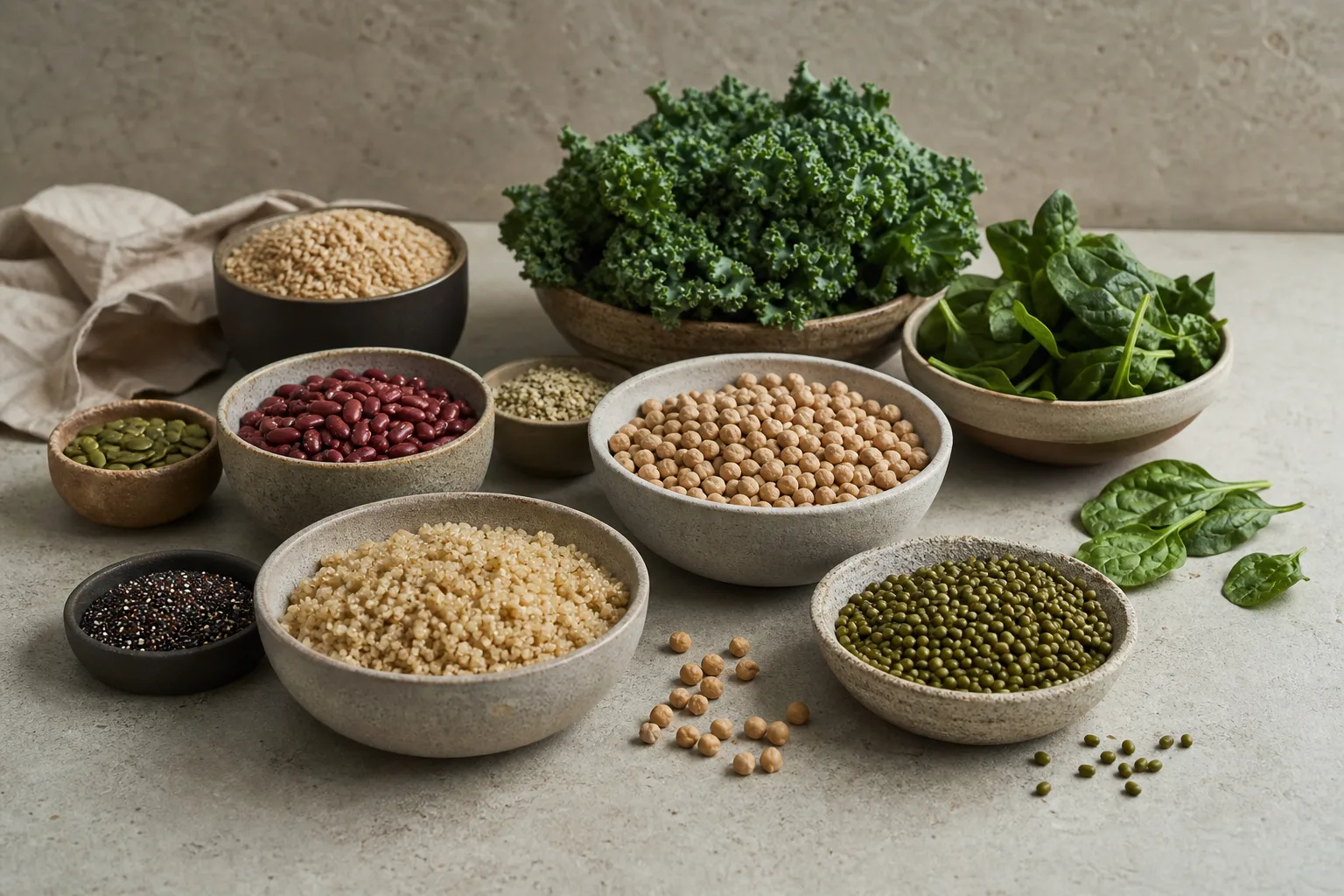
Fill half your plate with non starchy vegetables such as leafy greens, beans, tomatoes, carrots, brinjal, and bredes. They add fibre and volume with little effect on blood sugar.
A quarter: protein
Fill a quarter with protein such as fish, chicken, eggs, lentils, dholl, or beans. Protein slows digestion and helps you feel full, which reduces the urge to snack later.
A quarter: smart carbohydrates
Reserve the last quarter for carbohydrates, ideally whole grains. Brown or unpolished rice, whole wheat roti, oats, and millet release sugar more slowly than white rice and white bread.
Add a little healthy fat, such as olive oil, nuts, or seeds, which further slows the rise in blood sugar.
Foods to lean on
There is no single miracle food, but some patterns help.
- Fibre rich foods like vegetables, beans, lentils, and whole grains slow sugar absorption and feed a healthy gut.
- Fish, especially oily fish, supports heart health, which matters because diabetes and heart disease are linked.
- Fruit in whole form is fine for most people. The fibre in a whole fruit blunts its sugar, unlike fruit juice.
- Water, unsweetened tea, and coffee are far better default drinks than sodas and sweetened juices.
Foods to reduce
You do not have to ban anything forever, but cutting back on a few items has an outsized effect.
- Sugary drinks, including sodas, sweetened juices, and very sweet tea, deliver fast sugar with no fibre to slow it.
- Refined snacks and sweets cause quick spikes and rarely satisfy hunger for long.
- Large portions of white rice and white bread are worth shrinking or swapping for whole grain versions.
- Deep fried and heavily processed foods add calories and harm metabolic health over time.
How you eat, not just what
A few simple habits make a real difference.
Mind your portions
Serving food on smaller plates and pausing before second helpings helps your body register fullness.
Order your plate
Eating vegetables and protein before the rice or bread can reduce the blood sugar spike from a meal.
Walk after eating
A ten to fifteen minute walk after a meal helps muscles soak up sugar from the blood.
Making it work in Mauritius
Many traditional Mauritian foods are already good choices. Lentils, beans, fish, vegetables, and bredes are naturally supportive of stable blood sugar. The main shifts are reducing sugary drinks and refined snacks, choosing whole grain versions of rice and bread, and keeping portions reasonable. These are adjustments to a familiar table, not a foreign diet.
A note on medication and support
If you take medication for diabetes, changing your diet can lower your blood sugar enough that your doses may need adjusting. Do not stop or change medication on your own. Work with your doctor so the two can be balanced safely.
This article is general information rather than a personal meal plan. A doctor or dietitian can tailor advice to your health, culture, and budget.
Food is one of the most powerful tools you have. Used steadily, the balanced plate and a few simple habits can help prevent diabetes and support its reversal, one meal at a time.
Stopping diabetes early supports a longer, healthier life. Explore the wider Healthspan health ecosystem.