
Organic and Blood Sugar: An Honest Look at What Matters
10 July 2026 · By StopDiabetes.mu
Walk down almost any supermarket aisle in Mauritius and you will see the word "organic" doing a lot of work. It appears on biscuits, fruit juices, breakfast cereals and chocolate spreads, usually in a reassuring green font. If you are managing blood sugar, or working to prevent type 2 diabetes, it is worth asking a blunt question: does organic actually matter for glucose control?
The honest answer is yes and no, and the difference matters far more than most packaging will ever admit.
What organic means, and what it does not
Organic certification is a statement about how food is grown and produced. Certified organic farms avoid synthetic pesticides and synthetic fertilisers, do not use genetically modified seed, and follow rules on soil management and animal welfare. Organic processed foods must also meet strict limits on artificial additives and colourings.
Notice what is missing from that list: sugar, carbohydrates and glycaemic impact. Organic certification says nothing about how a food affects your blood glucose. It is a farming and production standard, not a nutrition claim.
That means organic cane sugar raises blood sugar in essentially the same way as conventional cane sugar. Organic honey is still honey. Organic fruit juice is still a concentrated source of free sugars. Your body responds to glucose and fructose based on their chemistry, not on the certification of the field they came from. A food can be impeccably organic and still be exactly the kind of thing a person watching their glucose should treat with caution.
The health halo problem
Nutrition researchers often describe a "health halo" effect: when a food carries a virtuous label, people commonly assume it is healthier across the board, and may quietly eat more of it as a result. Organic biscuits can feel like a free pass in a way that ordinary biscuits never would. For blood sugar management, that halo is a trap.
The effect shows up most strongly in processed snacks and drinks. An organic cereal bar sweetened with organic rice syrup can still deliver a fast hit of glucose. Organic granola can be as sugar-dense as some desserts. None of this makes organic food bad. It simply means the label answers a different question than the one a person with prediabetes or diabetes needs to ask.
A quick note before we go further: this article is general information, not medical advice. If you live with diabetes or prediabetes, decisions about your diet belong in a conversation with your doctor or dietitian.
Reading labels for hidden sugars, whatever you buy
The skill that genuinely protects your blood sugar is label reading, and it works identically on organic and conventional products. A few habits worth building:
- Scan the ingredients list for sugar's many aliases: cane sugar, rice syrup, agave nectar, coconut sugar, fruit juice concentrate, honey, molasses, maltodextrin, and anything ending in "-ose".
- Remember that ingredients are listed by weight. If any form of sugar appears in the first three ingredients, treat the product as a sweet treat, not a staple.
- Check the "of which sugars" line on the nutrition panel, per serving, and be realistic about how much of the packet you actually eat in one sitting.
- Do not let words like natural, raw, unrefined or organic on the front of the pack change how you read the back.
- Compare fibre content between similar products. Fibre slows digestion, which is commonly associated with a slower, gentler rise in blood glucose.
Ten seconds spent on the back of a packet tells you more about a food's effect on your glucose than any front-of-pack claim ever will.
Where organic genuinely earns its keep
None of this means organic is a gimmick. It changes real things. Certified organic food is grown without synthetic pesticides, and residue levels on organic produce are commonly reported to be lower than on conventional equivalents. Many organic brands also lean toward shorter ingredient lists and gentler processing, which makes the label-reading job above much easier. If you want a plain-language explanation of what the certification actually covers, the overview of why organic is worth choosing is a useful place to start before you decide what fits your budget and priorities.
There is a second, quieter benefit that matters specifically for blood sugar. Shops and ranges built around organic food tend to stock a higher proportion of whole foods: dried legumes, intact grains, nuts, seeds, plain oils, herbs and spices. Research suggests that dietary patterns built on minimally processed plant foods are consistently associated with better glucose control and a lower risk of type 2 diabetes. The benefit comes from the whole-food pattern itself, not from the organic sticker, but the sticker and the pattern often travel together, and that association is worth using to your advantage.
Building a blood-sugar-friendly pantry, organic or not
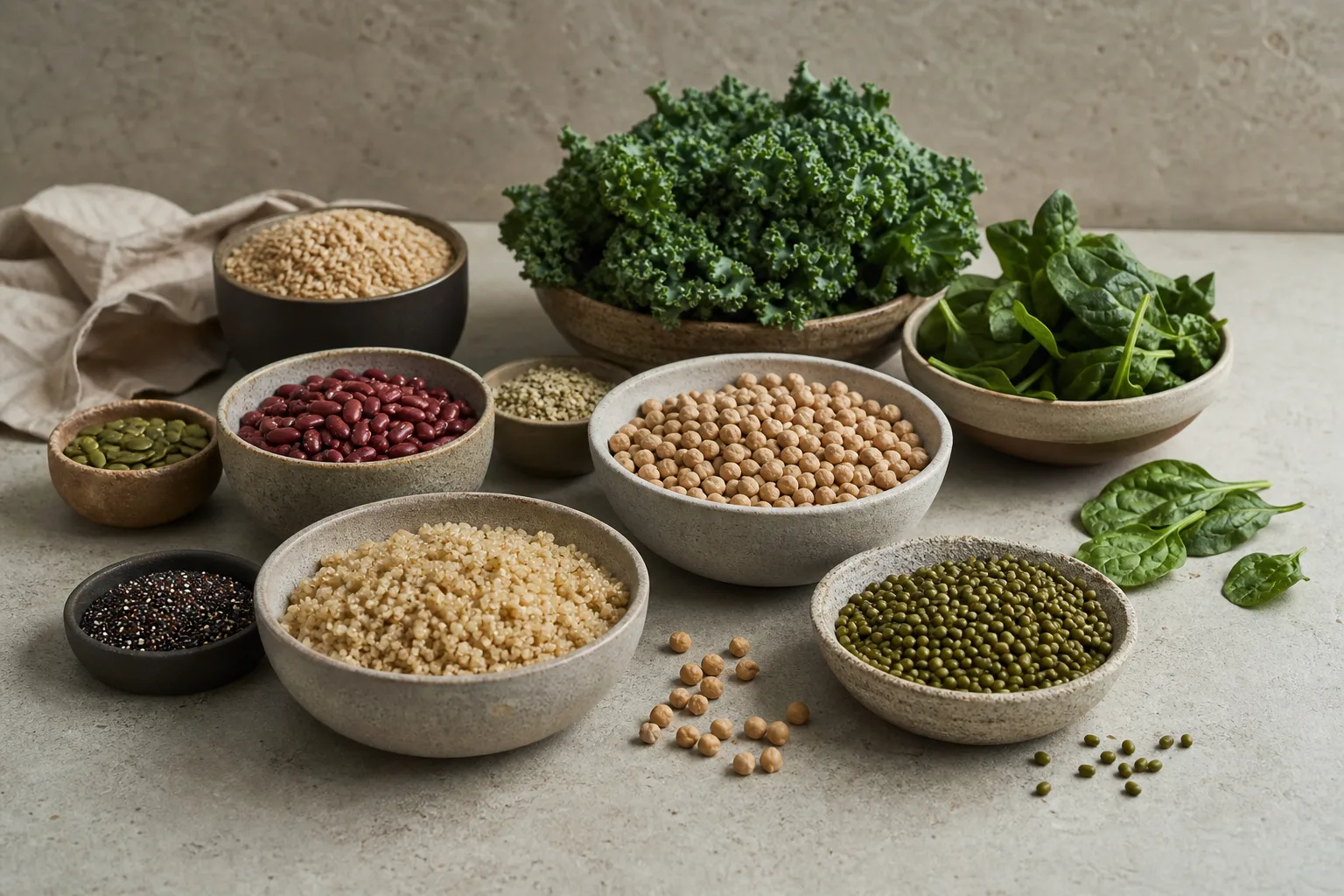
So what does a sensible pantry look like if you are focused on steady glucose? Start with legumes: lentils, chickpeas and dried beans are rich in fibre and plant protein, digest slowly, and stretch a meal without spiking it. Add intact whole grains such as oats, brown rice, buckwheat and quinoa, which behave very differently in the body from refined flour products. Keep nuts and seeds on hand for snacks and salads, since their fat, fibre and protein make them naturally gentle on blood sugar. Round it out with olive oil, tinned tomatoes, tahini, vinegar and a generous spice shelf, so vegetables and pulses never get boring.
Every item on that list is available in both organic and conventional form, and the blood sugar logic holds either way. If you prefer organic, shopping for it in Mauritius is getting easier. Naturespan, the island's new certified organic grocery destination, opens stores in Grand Baie and Tamarin from 1 September 2026, and its food truck is already on the road. Its organic savoury pantry range covers exactly the territory above, legumes, whole grains, nuts and cooking staples rather than sweetened snacks, which is the part of any organic shop that actually serves a diabetic plate.
The bottom line
Organic does not mean low sugar, and it does not mean low glycaemic impact. It means no synthetic pesticides, tighter rules on additives, and often less aggressive processing. Those are legitimate reasons to choose it, but they are not blood sugar strategies on their own.
The real strategy is simpler and cheaper: build meals around legumes, whole grains, vegetables, nuts and seeds, read every label for hidden sugars regardless of what the front promises, and treat sweetened products as occasional extras whether they are organic or not. Do that consistently, and the organic question becomes what it should be, a choice about farming and values layered on top of a diet that already works for your glucose.
As always, this is general guidance, not a substitute for personal medical advice. Your own targets, medication and test results should shape the details with your healthcare team.
Stopping diabetes early supports a longer, healthier life. Explore the wider Healthspan health ecosystem.