Why a short walk after eating matters
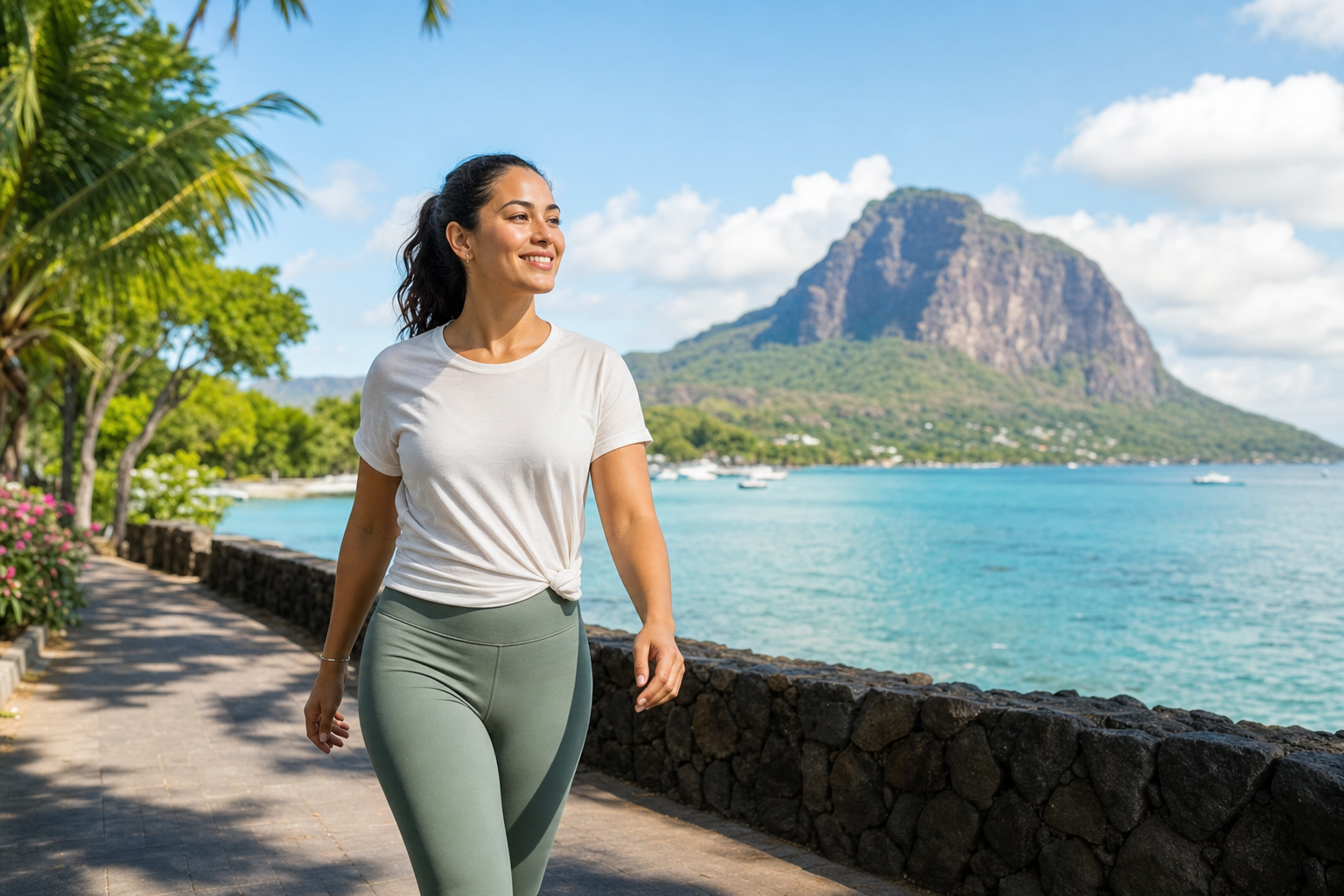
If you are looking for one small habit that can make a real difference to blood sugar, start with a walk after meals. It sounds almost too simple, but the timing matters. After you eat, glucose rises in the blood as your body digests carbohydrate. A brief walk helps your muscles use some of that glucose for fuel, which can reduce the size of the after-meal spike.
This is especially useful if you have prediabetes, type 2 diabetes, or a family history of diabetes. It is not a cure, and it is not a replacement for healthy eating, weight management, or medication when needed. But it is one of the most practical tools you can use every day.
What the research suggests
Studies have shown that light to moderate activity after a meal can improve post-meal glucose levels. You do not need a hard workout. Even 10 to 15 minutes of gentle walking can help, especially when done soon after eating. The benefit tends to come from using large muscle groups, improving insulin sensitivity, and reducing the time glucose stays elevated in the blood.
This matters because repeated high post-meal spikes contribute to longer term glucose burden. Over time, that burden can make blood sugar harder to control and may increase the risk of complications. A short walk is not dramatic, but done regularly it can add up.
When to walk for the best effect
The most useful time is usually within 15 to 30 minutes after finishing a meal, particularly after your biggest meal of the day. For many people, that means after lunch or dinner. If you wait too long, the glucose peak may already have passed.
You do not have to aim for a full 10 minutes if that feels difficult at first. Even 5 minutes is better than nothing. The key is consistency. A small habit you can repeat most days is more powerful than an ambitious plan you cannot sustain.
If your schedule is busy, link the walk to something you already do. For example:
- Put on comfortable shoes as soon as you clear the table.
- Walk around your home, yard, or apartment complex.
- Take a short walk with a family member or neighbour.
- Use the stairs or pace indoors if the weather is poor.
How to make it realistic
The best diabetes habit is the one that fits your life. Here are a few ways to make post-meal walking easier to stick with:
Start with one meal a day
You do not need to walk after every meal from day one. Begin with one meal, preferably the one that usually leaves you feeling the most sluggish or the one that contains the most starch or sugar.
Keep the pace easy
This is not about fitness training. A comfortable walk is enough. You should be able to talk while walking. If you are short of breath, slow down.
Make it visible
Place a reminder where you will see it, such as on the fridge or near the dining table. Simple cues work better than relying on willpower.
Pair it with another routine
For example, after dinner you might wash the dishes, then walk for 10 minutes. Or after lunch you might take a quick loop before returning to work.
What if you already exercise?
If you already do structured exercise, that is excellent. Keep it up. Post-meal walking is not meant to replace regular physical activity. It is a low-effort add-on that targets a very specific problem, the rise in glucose after eating.
In fact, this habit can complement other forms of exercise. Someone who meets weekly activity goals may still see a benefit from a short walk after meals because blood sugar is affected by both overall activity and meal timing.
Who should be extra careful
For most people, a gentle walk after eating is safe. Still, there are situations where you should take extra care or ask your clinician for advice first:
- If you have chest pain, dizziness, severe shortness of breath, or balance problems.
- If you have foot ulcers, severe neuropathy, or a recent injury.
- If you take insulin or medicines that can cause low blood sugar, especially if you are also doing longer or more intense exercise.
- If you have been told to limit activity for another medical reason.
If you have diabetes and use glucose-lowering medication, it is wise to learn your own patterns. A post-meal walk may lower glucose, but it can also increase the risk of hypoglycaemia in some people, especially if your medication doses are not well matched to your meals and activity.
Small changes that improve the effect
A walk works best when paired with an overall eating pattern that keeps meals steady and balanced. You do not need perfection. A few simple choices can make a big difference:
- Keep portions of rice, bread, roti, potatoes, and sugary drinks moderate.
- Add protein, vegetables, and healthy fats to slow digestion.
- Choose water over sweet drinks most of the time.
- If dessert is part of the meal, keep it occasional and small.
When meals are less likely to cause a sharp spike, the post-meal walk becomes even more effective.
A simple 7-day plan to try
Here is an easy way to start this week:
- Day 1 and 2, walk for 5 minutes after one main meal.
- Day 3 and 4, increase to 8 minutes.
- Day 5 to 7, aim for 10 minutes after the same meal.
- Next week, add a second post-meal walk if it feels manageable.
If you miss a day, do not treat it as failure. Just restart at the next meal. Habit building is about repetition, not perfection.
The bottom line
A 10-minute walk after meals is one of the simplest, most evidence-based habits you can use to support better blood sugar control. It is affordable, easy to start, and flexible enough to fit most lifestyles. You do not need special equipment or a gym membership, just a decision to move after eating.
If you are trying to prevent type 2 diabetes, this habit can help reduce daily glucose spikes. If you already have diabetes, it can support your management plan alongside food choices, medication, and regular monitoring. Start small, keep it consistent, and focus on the meal you can most reliably walk after. That one change may be enough to build momentum for bigger gains.
Stopping diabetes early supports a longer, healthier life. Explore the wider Healthspan health ecosystem.